
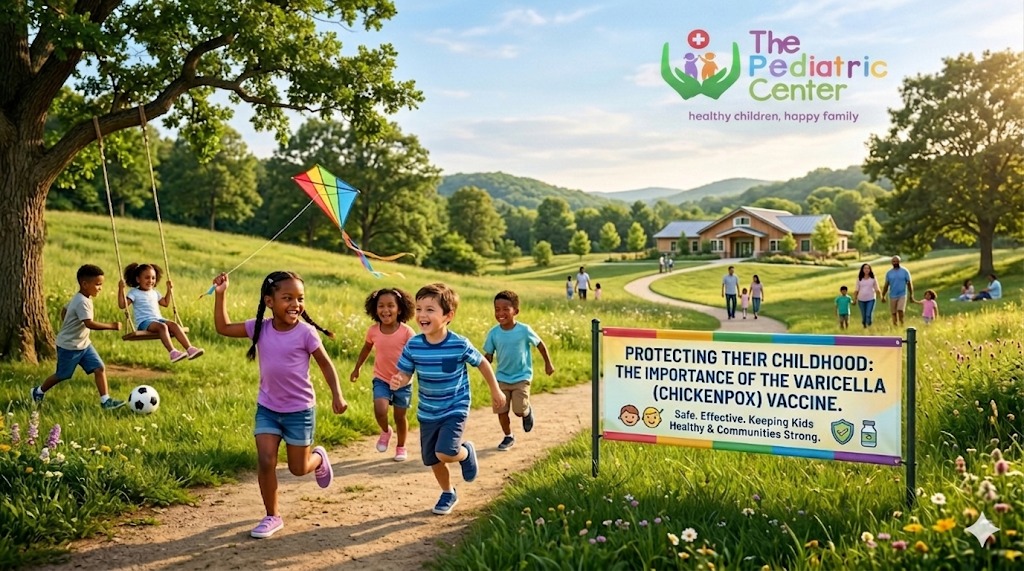
Is Your Family Protected Against Varicella? 🏥
While many people remember chickenpox as a simple “childhood rite of passage,” the varicella vaccine is a vital tool in modern pediatrics. It does much more than just prevent itchy spots; it guards against serious health complications that many parents might not realize are possible.
Here is why the varicella vaccine is a cornerstone of childhood health:
1. Preventing Serious Complications
While most cases of chickenpox are mild, the virus can lead to severe issues, even in healthy children. The vaccine protects against:
- Secondary Infections: Open sores from scratching can lead to serious Staph or Strep skin infections.
- Pneumonia: A dangerous lung infection that can result from the virus.
- Encephalitis: In rare cases, the virus can cause inflammation of the brain.
- Dehydration: Severe mouth sores can make it painful for children to drink fluids.
2. A Shield Against Shingles Later in Life
The varicella virus (Varicella-Zoster) doesn’t actually leave the body after the itchy spots go away; it “sleeps” in the nerve tissues. Later in life, it can reactivate as Shingles—a painful, blistering rash. Children who are vaccinated have a significantly lower risk of developing shingles as adults compared to those who caught the wild virus.
3. Protecting the Vulnerable (Herd Immunity)
Some people cannot get the varicella vaccine due to weakened immune systems or pregnancy. Rubella and chickenpox are particularly dangerous for pregnant women and newborns. By vaccinating your child, you help create a “buffer zone” that prevents the virus from reaching those who are at the highest risk for life-threatening complications.
4. Saving Time and Stress
A typical case of chickenpox can keep a child home for 5 to 7 days, meaning missed school for the child and missed work for the parents. The vaccine is nearly 98% effective after two doses, essentially eliminating the need for a week-long quarantine.
The Vaccination Schedule
For the best protection, doctors typically recommend a two-dose series:
- First Dose: 12 through 15 months of age.
- Second Dose: 4 through 6 years of age.
A Quick Note on Safety: The varicella vaccine has been used for decades and is extremely safe. Most children experience no side effects, though some may have a minor soreness at the injection site or a very mild, non-contagious rash.
Bottom line: It’s much safer to get the vaccine than it is to get the disease. If your child has missed their window, “catch-up” doses are available and highly recommended!
PS: Please feel free to share our articles with friends and family.
© 2025 The Pediatric Center Children Hospital
2a Sulaimon Abdullahi Street, Agungi, Lekki, Lagos
Road 2, House 20, Greenland Estate, Olokonla, Ajah-Sangotedo, Lagos
Unsubscribe