
Measles in Children: Recognizing, Understanding, and Protecting
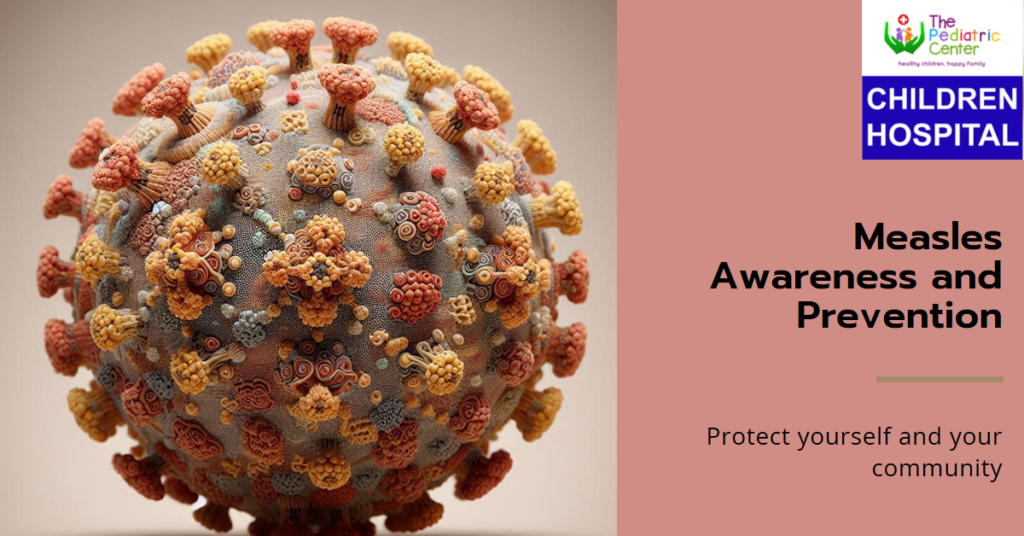
Measles is a viral disease that causes fever and a rash. It’s highly contagious and spreads through the air when a person with measles talks, coughs or sneezes. Measles, once a common childhood illness, has become a preventable disease thanks to widespread vaccination. However, outbreaks still occur, and it’s crucial for parents to understand this highly contagious disease to protect their children.
Cause:
Measles is caused by a highly contagious virus that spreads through the air when an infected person coughs or sneezes. It can also spread through contact with contaminated objects or surfaces.
Symptoms:
The initial symptoms of measles appear 7-14 days after exposure to the virus. These include:
- Fever: Often high, reaching over 104°F (40°C)
- Cough: Dry and persistent
- Runny nose: Thick and congested
- Red, watery eyes: Conjunctivitis is common
- Koplik spots: Tiny white spots inside the cheeks, a unique measles sign
A few days after these symptoms appear, the characteristic measles rash erupts. It starts on the face and behind the ears, spreading down the body. The rash is flat or slightly raised, red or brown in color, and often forms blotchy patches.
Complications:
While most children recover fully from measles, it can lead to serious complications, especially in young children:
- Pneumonia: The most common cause of death from measles in young children.
- Encephalitis: Inflammation of the brain, which can lead to seizures, deafness, and intellectual disability.
- Ear infections: Otitis media is a frequent complication.
- Subacute sclerosing panencephalitis (SSPE): A rare, fatal brain disease that can occur years after measles infection.
Treatment:
There is no specific treatment for measles itself. The focus is on managing symptoms and preventing complications:
- Fever control: Medications like ibuprofen or acetaminophen can help.
- Hydration: Plenty of fluids are crucial to combat fever and dehydration.
- Rest: Recovering from measles requires plenty of rest.
- Supportive care: Treating complications like pneumonia or ear infections is essential.
Prevention:
The best way to protect children from measles is through vaccination. The MMR (measles, mumps, and rubella) vaccine is safe and effective, with two doses recommended for children at 12-15 months and 4-6 years old.
Additional Tips:
- If your child shows symptoms of measles, contact your pediatrician immediately.
- Isolate your child to prevent the spread of the virus.
- Wash your hands frequently, especially after contact with a sick person.
- Ensure all family members are up-to-date on their vaccinations.
Remember, measles can be a serious illness for children. By understanding its cause, symptoms, and treatment, you can help protect your child and contribute to a healthier community.
Always consult with your child’s pediatrician for diagnosis and treatment of any medical condition.
PS: Please feel free to share our articles with friends and family.
© 2024 The Pediatric Center Children Hospital
2a Sulaimon Abdullahi Street, Agungi, Lekki, Lagos
Road 2, House 20, Greenland Estate, Olokonla, Ajah-Sangotedo, Lagos
Unsubscribe