
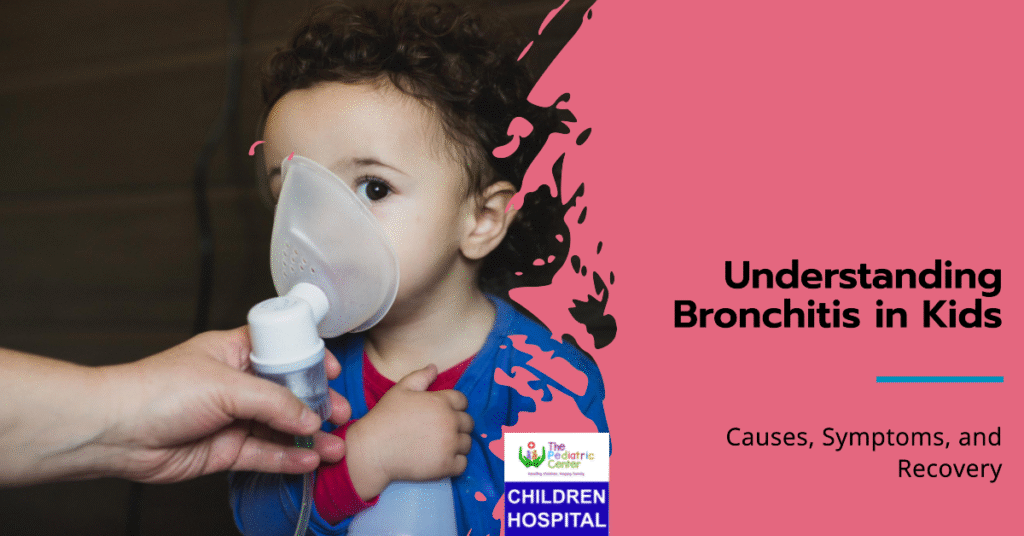
Understanding Bronchitis: Causes, Symptoms, and Recovery
Bronchitis is a common respiratory condition characterized by inflammation of the lining of your bronchial tubes, which carry air to and from your lungs. When these tubes are irritated, they swell and fill with mucus, resulting in a persistent, hacking cough.
Acute vs. Chronic Bronchitis
Bronchitis is generally classified into two types based on its duration and cause.
1. Acute Bronchitis
Often called a “chest cold,” this is very common and typically follows a viral infection like the common cold or flu. While the infection may resolve quickly, the cough can linger for several weeks as the inflammation subsides.
2. Chronic Bronchitis
This is a more serious, long-term condition and is a form of Chronic Obstructive Pulmonary Disease (COPD). It involves constant inflammation and is most often caused by cigarette smoking or long-term exposure to air pollutants.
Common Symptoms
The hallmark of bronchitis is a productive cough. Other symptoms include:
- Production of mucus: Can be clear, white, yellowish-gray, or green.
- Fatigue: Feeling unusually tired or run down.
- Shortness of breath: Especially during physical activity.
- Chest discomfort: A feeling of tightness or soreness in the chest.
- Wheezing: A whistling sound when you breathe.
- Slight fever and chills: More common in acute cases.
Causes and Risk Factors
- Viruses: About 90% of acute bronchitis cases are caused by the same viruses that cause the common cold and flu.
- Irritants: Exposure to tobacco smoke, dust, fumes, and air pollution can trigger or worsen the condition.
- Weakened Immunity: Infants, older adults, and those with underlying health conditions are at higher risk.
- Gastric Reflux (GERD): Severe heartburn can irritate the throat and make you more prone to bronchitis.
Treatment and Home Care
Most cases of acute bronchitis are viral, meaning antibiotics will not help. Treatment focuses on relieving symptoms while your body fights the virus:
- Hydration: Drink plenty of water to help thin and loosen mucus.
- Humidifiers: Moist air helps soothe irritated airways and makes coughing more productive.
- Rest: Give your body time to recover.
- OTC Medications: Pain relievers (like ibuprofen or acetaminophen) can help with fever and aches. Cough suppressants may be used at night to help you sleep.
- Avoid Irritants: Stay away from smoke and fumes.
When to See a Doctor
While most cases resolve at home, you should seek medical advice if:
- Your cough lasts more than three weeks.
- You have a fever higher than 102°F (39°C).
- You are coughing up blood.
- You experience severe shortness of breath or wheezing that prevents sleep.
- You have an underlying heart or lung condition (like asthma).
Prevention Tips
- Wash your hands: Frequent handwashing is the best defense against the viruses that cause bronchitis.
- Get vaccinated: Annual flu shots and pneumonia vaccines can significantly reduce your risk.
- Quit smoking: This is the single most effective way to prevent chronic bronchitis.
- Wear a mask: If you work in an environment with high levels of dust or fumes, use a respirator or face mask.
PS: Please feel free to share our articles with friends and family.
© 2024 The Pediatric Center Children Hospital
2a Sulaimon Abdullahi Street, Agungi, Lekki, Lagos
Road 2, House 20, Greenland Estate, Olokonla, Ajah-Sangotedo, Lagos
Unsubscribe