
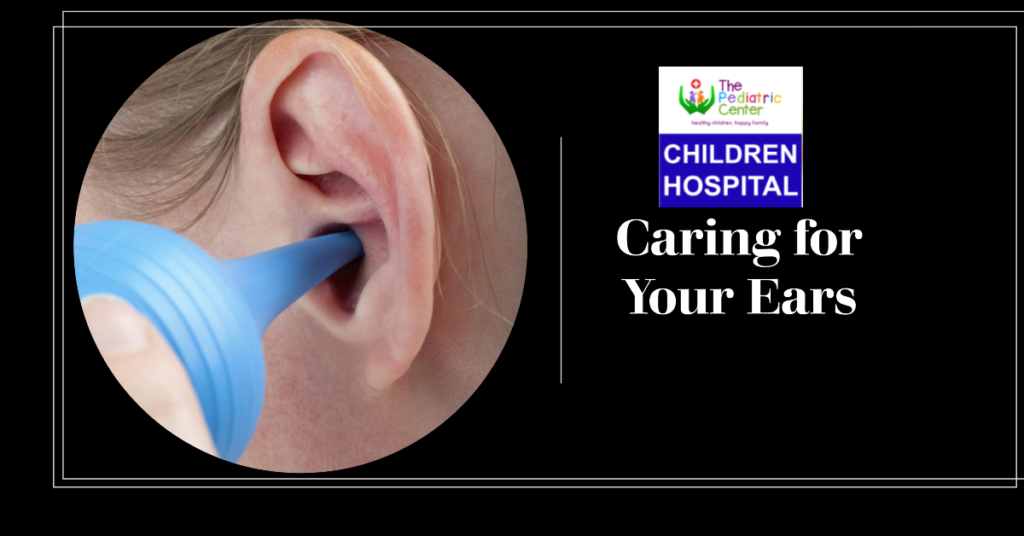
Listen Up: Your Guide to Ear Health for ENT Month
We often take our senses for granted until they start acting up, and our ears are usually at the top of that “ignored until it hurts” list. Since it’s ENT (Ear, Nose, and Throat) Awareness Month, it’s the perfect time to give your ears the spotlight they deserve.
Your ears aren’t just for hearing; they are complex biological instruments responsible for your balance and spatial awareness. Here is how to keep them in peak condition.
1. The Golden Rule: Put the Q-Tips Down
It is a tempting habit, but sticking cotton swabs (or hairpins, or keys—yes, people do that) into your ear canal is a recipe for disaster.
- Self-Cleaning Ovens: Your ears are designed to clean themselves. Cerumen (earwax) is actually the hero of the story; it traps dust and protects the delicate skin of the canal.
+1 - The Danger: Pushing a swab into your ear usually just packs the wax deeper against the eardrum, which can lead to impaction, hearing loss, or even a ruptured eardrum.
- The Fix: Only clean what a washcloth can reach on the outer part of the ear. If you feel a blockage, see a professional for a safe irrigation.
2. The 60/60 Rule for Headphones
In a world of noise-canceling earbuds and endless podcasts, our ears are under constant acoustic “fire.” Noise-induced hearing loss is often permanent but entirely preventable.
| Habit | The Recommendation |
| Volume Level | Keep it below 60% of the maximum volume. |
| Duration | Limit use to 60 minutes at a time, then give your ears a break. |
| Environment | Use noise-canceling headphones in loud areas so you don’t have to crank the volume to drown out the world. |
3. Keep Them Dry
Trapped moisture is an invitation for bacteria and fungi to move in, leading to the dreaded “Swimmer’s Ear.”
- Dry after bathing: Tilt your head and gently towel-dry the outer ear.
- Use earplugs: If you are a frequent swimmer, custom-fitted or high-quality silicone plugs are a great investment.
- Gravity is your friend: If water gets stuck, tug gently on your earlobe while tilting your head to help it escape.
4. Know the Red Flags
Sometimes, “waiting it out” is the worst thing you can do. If you experience any of the following, it’s time to book an appointment with an Otolaryngologist (ENT doctor):
- Sudden Hearing Loss: This is a medical emergency. If you lose hearing in one or both ears overnight, get help immediately.
- Persistent Tinnitus: A constant ringing, buzzing, or whistling that doesn’t go away.
- Vertigo: Feeling like the room is spinning can often be linked to inner ear issues.
- Chronic Drainage: Any fluid (other than a bit of wax) exiting the ear canal needs a check-up.
A Little Wit for the Road
Think of your ears like high-end stereo equipment. You wouldn’t pour water into your speakers or poke the drivers with a stick, right? Treat your biological hardware with the same respect. A little prevention now saves a lot of “What? Can you repeat that?” later.
PS: Please feel free to share our articles with friends and family.
© 2025 The Pediatric Center Children Hospital
2a Sulaimon Abdullahi Street, Agungi, Lekki, Lagos
Road 2, House 20, Greenland Estate, Olokonla, Ajah-Sangotedo, Lagos