
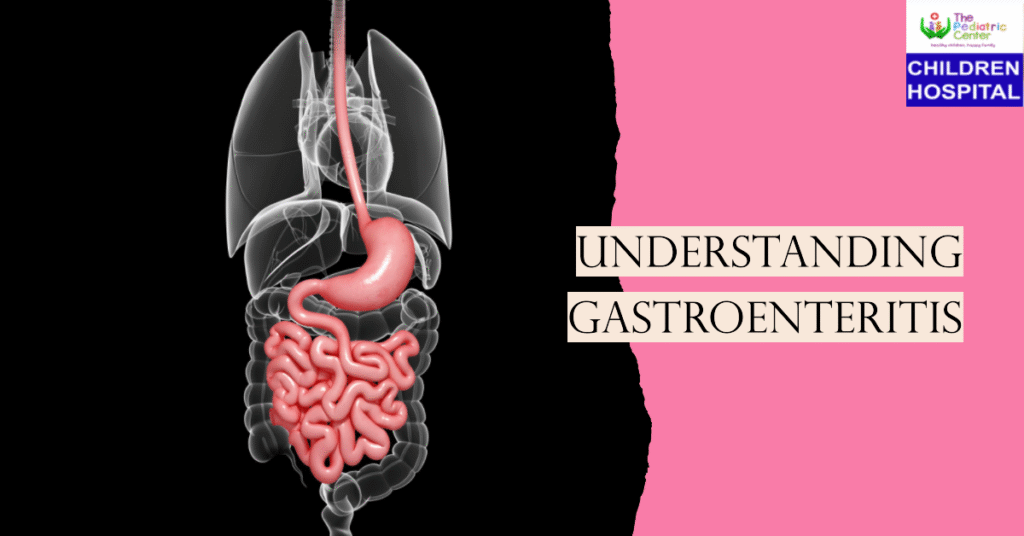
Gastroenteritis, commonly known as the stomach flu, is an inflammation of the lining of the stomach and intestines. Despite the name, it is not related to influenza (the respiratory flu).
In children and teenagers, the primary risk is dehydration due to fluid loss from vomiting and diarrhea.
1. Causes: How Kids Get Sick
The most common causes in 2025 remain viral, though bacterial and parasitic infections are still prevalent.
- Viruses (Most Common): * Norovirus: The leading cause in all ages; highly contagious and often found in schools.
- Rotavirus: Now less common due to widespread vaccination, but still affects unprotected infants.
- Adenovirus & Astrovirus: Usually cause milder, longer-lasting symptoms.
- Bacteria: Often from “food poisoning” (e.g., Salmonella, E. coli, or Campylobacter).
- Transmission: Spreads through the “fecal-oral” route—touching contaminated surfaces (doorknobs, toys) or eating/drinking contaminated food and water.
2. Common Illness Symptoms
- Watery Diarrhea: This is usually non-bloody and can happen multiple times a day.
- Frequent Vomiting: Often the first sign, which may last for 12–24 hours.
- Stomach Cramps: Sharp or dull pain and “knotted” feelings in the abdomen.
- Nausea: A persistent feeling of being sick to the stomach.
- Low-Grade Fever: Typically ranging between 100°F and 101°F.
- Muscle Aches: General body soreness or a mild headache.
- Chills: Feeling cold or shivering even if the room is warm.
Signs of Dehydration (Monitor Closely)
- Dry Mouth: The tongue or inside of the cheeks look “tacky” or dry.
- Lack of Tears: Crying without producing any moisture.
- Decreased Urination: Not needing to go to the bathroom for 6–8 hours (or fewer than 3 wet diapers for a toddler).
- Sunken Eyes: The eyes look deeper in the sockets than usual.
- Extreme Lethargy: The child is unusually sleepy, “floppy,” or hard to wake up.
- Dizziness: Feeling lightheaded, especially when trying to sit or stand up.
Emergency “Red Flag” Symptoms
- Bloody Stools: Any sign of blood or a “tarry” black appearance in diarrhea.
- Green Vomit: This can indicate a more serious intestinal blockage.
- High Fever: A temperature reaching 102°F or higher.
- Severe Localized Pain: Intense pain specifically in the lower right abdomen (which may indicate appendicitis)
3. Treatment: Home Care & Recovery
Since most cases are viral, antibiotics do not work. The goal is “supportive care” to let the body fight the virus while staying hydrated.
Step 1: Rehydration (The Priority)
- Oral Rehydration Solutions (ORS): Use products like Pedialyte, Enfalyte, or store brands. They contain the specific balance of sugar and salt needed for absorption.
- The “Sip” Rule: If your child is vomiting, wait 30–60 minutes, then give 1–2 teaspoons of ORS every 5 minutes. Gradually increase the amount as they tolerate it.
- What to Avoid: Do not give full-strength apple juice, soda, or sports drinks (Gatorade/Powerade) to young children; the high sugar can actually make diarrhea worse.
Step 2: Diet Management
- When to eat: Once vomiting has stopped for several hours, try small amounts of bland foods.
- BRAT is out, Regular is in: Doctors now recommend returning to a normal diet (lean meats, yogurt, fruits, complex carbs) as soon as possible, as it helps the gut recover faster than a “bread only” diet.
- Avoid: Fatty, fried, or highly spicy foods until stools return to normal.
Step 3: Medications
- Fever/Pain: Acetaminophen (Tylenol) or Ibuprofen (Advil/Motrin) are okay if the child is hydrated. Never give Aspirin to children or teens due to the risk of Reye Syndrome.
- Anti-diarrheals: Avoid over-the-counter anti-diarrheal meds (like Imodium) unless specifically directed by a pediatrician, as they can “trap” the infection inside.
4. When to Call the Doctor
Seek medical attention immediately if your child or teenager has:
- Bloody stool or green/bloody vomit.
- High fever (over 102°F or 39°C).
- Severe abdominal pain (especially in the lower right side, which could be appendicitis).
- Signs of severe dehydration (lethargy, confusion, or unable to keep any liquids down for 12+ hours).
PS: Please feel free to share our articles with friends and family.
© 2024 The Pediatric Center Children Hospital
2a Sulaimon Abdullahi Street, Agungi, Lekki, Lagos
Road 2, House 20, Greenland Estate, Olokonla, Ajah-Sangotedo, Lagos
Unsubscribe