
Despite the incredible strides in modern medicine, malaria remains one of the world’s most persistent and formidable health challenges. As of early 2026, while we have more tools than ever to fight back—including two groundbreaking vaccines—the disease still claims hundreds of thousands of lives annually, particularly among young children in sub-Saharan Africa.
Whether you are living in an endemic area or planning a trip to the tropics, understanding how to stay safe is your best defense.
What is Malaria?
Malaria is a life-threatening disease caused by Plasmodium parasites, which are spread to people through the bites of infected female Anopheles mosquitoes. While there are several types of malaria parasites, P. falciparum is the deadliest and most prevalent on the African continent.
The 2026 Landscape
According to the latest data, the global burden stands at approximately 282 million cases and 610,000 deaths annually. The WHO African Region continues to carry 95% of this burden. However, 2026 marks a turning point as 25 African countries have now integrated malaria vaccines into their routine immunization programs, offering a new shield for the most vulnerable.
The Ultimate Prevention Toolkit
Prevention is multifaceted. You shouldn’t rely on just one method; the “Swiss Cheese” model of layering defenses is the most effective approach.
1. Vector Control: Stop the Bite
The first line of defense is physically preventing the mosquito from reaching you.
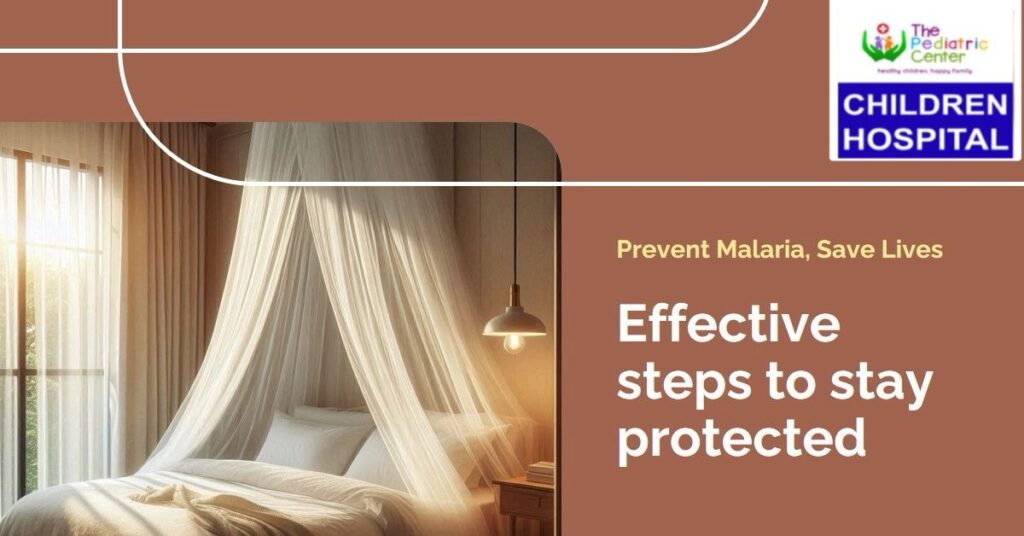
- Next-Gen Bed Nets: Use insecticide-treated nets (ITNs). In 2026, “dual-ingredient” nets are the gold standard, designed to kill mosquitoes that have developed resistance to older chemicals.
- Indoor Residual Spraying (IRS): Coating the walls of your home with insecticides can protect a household for several months.
- Environmental Management: Mosquitoes breed in stagnant water. Empty out old tires, buckets, or blocked gutters where water collects.
2. Personal Protection: Your “Body Armor”
Mosquitoes that carry malaria are most active between dusk and dawn.
- Repellents: Use EPA-registered repellents containing DEET (20-30% concentration), Picaridin, or Oil of Lemon Eucalyptus.
- Dress Code: Wear long-sleeved shirts and long pants. Treating your clothes with permethrin adds an extra layer of protection (just don’t apply it directly to your skin!).
- Screening: Ensure windows and doors have intact screens to keep the “uninvited guests” outside.
3. Medical Prevention: The Modern Shield
We have moved beyond just bug spray. Science has given us biological and chemical advantages.
- The Vaccines: The RTS,S and R21 vaccines are now widely available for children in high-risk areas. If you have young children in these regions, ensuring they complete the four-dose schedule is vital.
- Chemoprophylaxis: For travelers, taking daily or weekly pills (like Malarone or Doxycycline) can prevent the parasite from taking hold even if you are bitten. Always start these before you travel.
- SMC (Seasonal Malaria Chemoprevention): In areas where malaria spikes during the rainy season, children are often given monthly preventative doses to keep them safe during the high-risk months.
Warning Signs: When to Seek Help
Malaria can go from “a bit of a fever” to a medical emergency in less than 24 hours. If you experience the following, seek a diagnostic test immediately:
- High fever and chills (often coming in waves).
- Severe headache and muscle aches.
- Nausea, vomiting, or diarrhea.
- Extreme fatigue or jaundice (yellowing of the eyes/skin).
A Note on Treatment: As of 2026, Artemisinin-based Combination Therapies (ACTs) remain the most effective treatment. However, keep an eye out for GanLum, a promising non-artemisinin drug currently under regulatory review, which aims to bypass the growing issue of drug resistance.
Final Thoughts
Malaria is a tough opponent, but it is both preventable and curable. By combining the “old-school” wisdom of bed nets with the “new-school” power of vaccines and modern medicine, we can stay ahead of the buzz.
PS: Please feel free to share our articles with friends and family.
© 2024 The Pediatric Center Children Hospital
2a Sulaimon Abdullahi Street, Agungi, Lekki, Lagos
Road 2, House 20, Greenland Estate, Olokonla, Ajah-Sangotedo, Lagos
Unsubscribe